

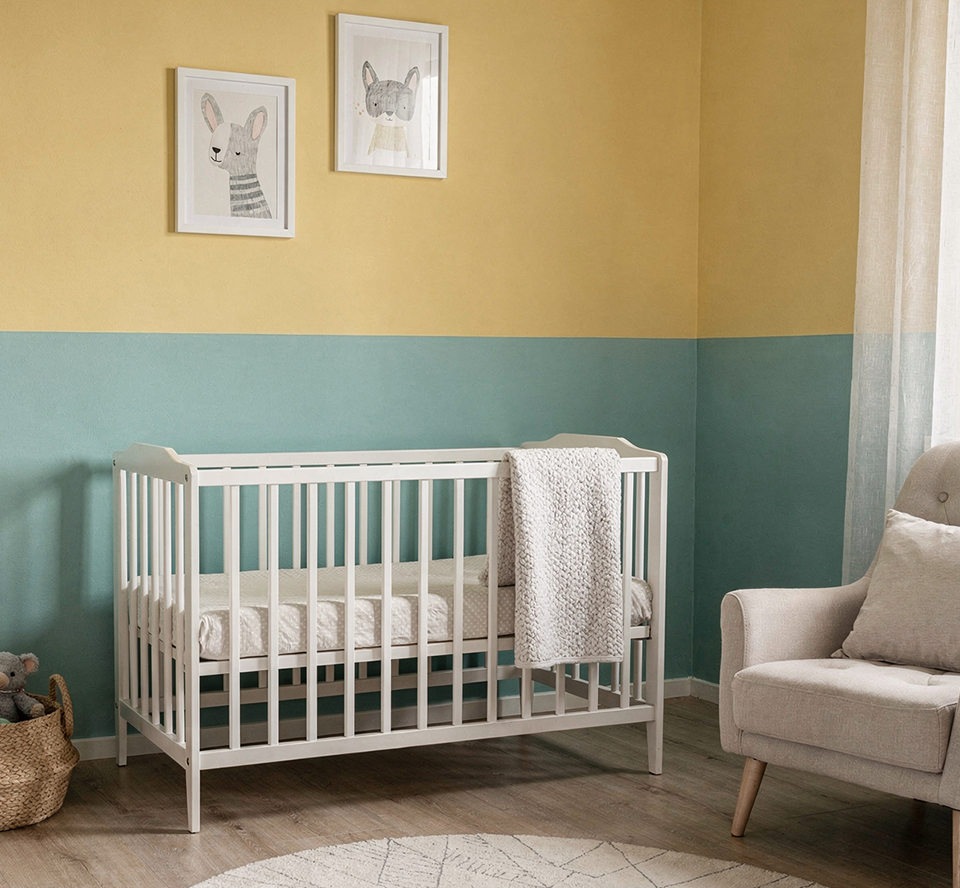
How Oasis BioShield paint supports a hygienic home

We pay close attention to the surfaces we touch and clean at home, but walls are easy to overlook. Some see a fair amount of daily contact, especially around switches, along hallways and in children’s rooms.

For these areas, the paint you choose can play a role in keeping the surface cleaner.

Antibacterial wall paint is designed to inhibit the growth of bacteria on the painted surface. Some formulations also provide resistance against fungi and are made to withstand regular cleaning. Understanding these properties can help you decide whether antibacterial paint is suitable for your home and where it would be most useful.

What makes antibacterial paint different?

The main difference lies in the protection offered by the dried paint film.

Regular interior paint is generally selected for its colour, coverage, finish and durability. Antibacterial paint has an additional function: helping inhibit bacterial growth on the coating itself.

Oasis BioShield is formulated to provide long-lasting resistance against bacteria and fungi on painted surfaces. It combines these properties with a smooth matt finish and excellent wet scrub resistance.

However, antibacterial paint does not sterilise a room or prevent germs from spreading between people. Its protective properties apply to the painted surface and should complement normal household cleaning.

This is worth understanding when comparing products. Claims such as ‘antibacterial’, ‘antimicrobial’ and ‘hygienic’ may describe different properties depending on the formulation. Checking which microorganisms a paint is designed to resist gives you a clearer idea of what you are buying.

Where is antibacterial paint most useful at home?

Consider how different areas of your home are used before deciding where to apply a hygienic coating.

Children’s bedrooms and playrooms often need more frequent cleaning. Entrances, hallways and staircases experience regular contact while kitchen and dining walls may be exposed to food splashes and marks.

These are areas where a washable antibacterial paint can be useful.

Washability deserves attention because even a protective coating needs to remain in good condition through everyday maintenance. BioShield’s wet scrub resistance helps the finish withstand cleaning, making it suitable for frequently used interior spaces.

For quieter rooms, the choice may depend on whether you want the same hygienic coating throughout the home. There is no need to treat every wall as though it experiences the same level of contact.

BioShield is also intended for environments such as schools and healthcare facilities where surface hygiene is an important consideration. Its use in these settings reflects the value of selecting coatings with properties suited to the demands of the space.

What about humidity, fungi and mould?

For homes in the UAE, fungal resistance is another consideration.

An anti-fungal wall coating is designed to resist fungal growth on the painted surface. However, there is an important difference between protecting a coating against fungi and dealing with an existing moisture problem.

If mould keeps appearing in the same corner or along an external wall, the cause may be condensation, water ingress or a plumbing leak.

Painting over the affected area without resolving the moisture problem is unlikely to provide a lasting solution.

The wall should first be inspected and the source of dampness addressed. Any existing mould must be treated appropriately and the surface allowed to dry before repainting.

Once the wall is properly prepared, a fungus-resistant coating such as BioShield can provide additional protection for the finished surface.

For areas exposed to persistent moisture, it is also important to check that the selected paint system is suitable for the specific conditions.

How long does antibacterial protection last?

BioShield is described as providing long-lasting antibacterial and anti-fungal resistance, although this should not be interpreted as a guarantee that protection lasts indefinitely.

The condition of the paint film matters. Physical damage, heavy wear and deterioration can affect the integrity of the coating.

Regular cleaning does not automatically remove the antibacterial properties of an intact paint film, but cleaning methods should still follow the manufacturer’s care recommendations.

For homeowners, it is worth checking both the intended durability of the coating and how it should be maintained. A paint designed to support hygiene needs to remain in suitable condition to perform as intended.

Choosing the right hygienic paint for your home

When comparing hygienic interior paints, check what the coating is designed to resist, how easily it can be maintained and whether it is suitable for the surfaces you intend to paint.

BioShield brings together antibacterial and anti-fungal resistance, excellent wet scrub performance and a smooth matt finish. These properties make it a practical choice for interior spaces where cleanliness and regular maintenance are priorities.

For UAE homes, selecting the right coating also means paying attention to wall conditions and moisture problems before painting.

A hygienic home still depends on good cleaning habits and proper maintenance. Choosing an appropriate wall finish helps support those efforts by adding protection to one of the home’s largest surfaces.

Explore Oasis BioShield and discover a hygienic interior paint suited to your home.
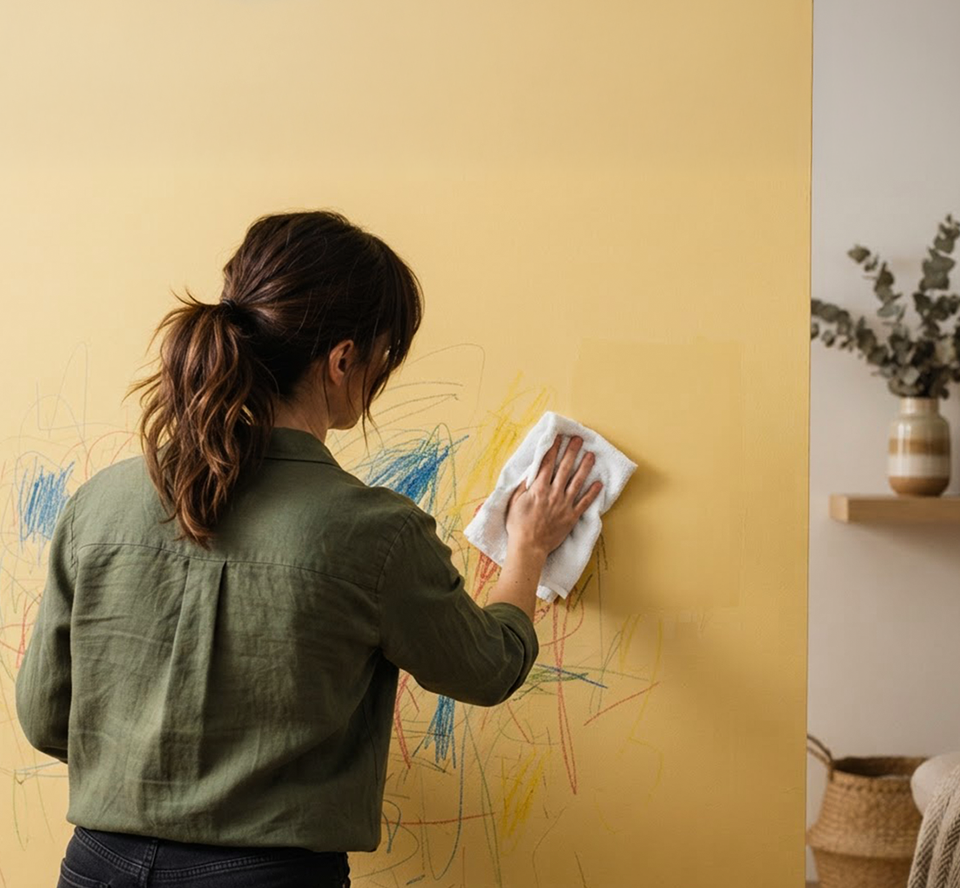
How to clean walls painted with Oasis UltraScrub paint

Keeping painted walls looking fresh can be a challenge, especially in busy homes. Fingerprints, food splashes and scuff marks are part of everyday life, but removing them can sometimes leave behind faded patches or changes in the paint’s finish.

With the right paint and cleaning method, maintaining your walls becomes much easier.

Oasis UltraScrub is an acrylic interior paint developed with excellent stain resistance and long-lasting colour retention. Available in a smooth matt finish, it is designed to help walls maintain their appearance while offering antibacterial protection against the growth of bacteria and fungi on the painted surface.

Whether you are dealing with everyday marks or giving your walls a routine clean, here is how to care for painted surfaces without compromising their finish.

How to clean walls painted with Oasis UltraScrub

The best way to clean painted walls is to begin with the gentlest method. Even stain-resistant coatings can be affected by excessive rubbing or unsuitable cleaning products.

For routine cleaning, use a soft microfibre cloth or sponge, lukewarm water and a small amount of mild washing-up liquid.

  1. Remove surface dust. Use a dry microfibre cloth or a vacuum cleaner with a soft brush attachment. Pay attention to corners, skirting boards and areas around air-conditioning vents.
  2. Prepare a mild cleaning solution. Add a few drops of washing-up liquid to lukewarm water. Avoid concentrated detergents or chemical cleaners unless approved for the coating.
  3. Test a small area. Try the solution somewhere inconspicuous and allow it to dry before cleaning a visible section.
  4. Wipe gently. Use a damp cloth with light pressure. Work on a small area at a time without soaking the surface.
  5. Remove residue. Wipe away any remaining soap with a clean damp cloth and gently dry the area.

If your walls have recently been painted, check the recommended curing period before cleaning. Paint can feel dry before it has developed its full durability.

How to remove common stains from painted walls

Different marks need different levels of attention. Start with water and a soft cloth before introducing a mild cleaning solution.

Fingerprints and oily marks

These commonly appear around switches and door frames. Light fingerprints may come away with a damp cloth. For oily residue, try a little mild soapy water before wiping the area clean.

Pencil and crayon marks

A clean, soft eraser may remove light pencil marks, provided it is used gently. Crayon contains wax and can be more difficult to lift. Try mild soapy water first and avoid abrasive pads that could change the matt finish.

Food and drink stains

Blot fresh spills rather than spreading them across the wall. Follow with a damp cloth to remove any remaining residue. Strongly coloured liquids and sauces may leave stains if allowed to dry, so prompt cleaning is helpful.

Scuff marks

Light scuffs from shoes or furniture may sit on top of the paint and can sometimes be wiped away. If the paint has been scratched or removed, the mark will need a touch-up rather than further cleaning.

UltraScrub’s stain-resistant formulation is designed to help walls cope with everyday staining, although results will depend on the substance involved and how long it remains on the surface.

What can damage painted walls during cleaning?

One of the easiest ways to damage a matt finish is to keep rubbing a stain after it has stopped responding to cleaning.

Repeated friction can alter the sheen of the surface, creating a shiny patch that becomes visible when light falls across the wall.

Abrasive cleaning pads, stiff brushes and solvent-based stain removers can also affect the paint film. Products marketed as magic erasers should be used with caution because their abrasive action can wear away the finish.

Avoid soaking the wall. Excess water can collect around skirting boards and joints or enter areas where the coating has already been damaged.

For stubborn marks, stop cleaning if the finish begins to change. A small paint touch-up may be preferable to creating a larger damaged patch.

Keeping your wall colour looking fresh for longer

Removing stains is one part of wall maintenance. Preserving the original colour and finish is equally important.

UltraScrub has been formulated with colour retention technology to help painted walls maintain their appearance over time. Its stain resistance also makes it a practical option for interiors exposed to everyday marks.

The smooth matt finish provides a soft, even appearance suited to living rooms, bedrooms and family spaces.

When selecting an easy-to-clean wall paint, it is worth checking both stain resistance and the durability of the coating. Stain resistance relates to how well the surface withstands staining while scrub resistance describes its ability to tolerate repeated cleaning. The two properties should not be treated as interchangeable.

UltraScrub also offers antibacterial protection against bacterial and fungal growth on the painted surface, providing an additional benefit beyond its decorative finish.

For day-to-day maintenance, clean spills promptly, remove accumulated dust and use gentle cleaning methods. High-contact areas may need more frequent attention while quieter rooms can be cleaned as required.

With its stain-resistant formulation, colour retention technology and smooth matt finish, Oasis UltraScrub is designed to help maintain the appearance of interior walls through everyday use.

Explore Oasis interior emulsion paints and discover a finish suited to your home.

SmartChoice emulsion paint for first-time homeowners

Moving into your first home comes with plenty of decisions, from choosing furniture and lighting to finding the right colours for every room. Painting is often one of the first projects on the list and it can also take up a significant part of the decorating budget.

With so many interior paints available, choosing the right one can be confusing. Some offer greater durability, others focus on stain resistance and many come at very different price points.

For first-time homeowners, finding the best interior emulsion paint starts with understanding what you need. Good coverage, a finish that suits your space and a reasonable overall cost are often more important than paying for features you may never use.

Oasis SmartChoice is an economical interior emulsion paint developed with excellent coverage and hiding properties, making it a practical option for painting a new home while keeping costs in mind.

What is emulsion paint and why is it used for interior walls?

Emulsion paint is one of the most common choices for interior walls and ceilings. It is generally water-based, making it convenient to apply with a brush or roller and allowing tools to be cleaned with water.

Emulsion paints are available in different finishes, each suited to particular applications. Matt emulsion is a popular choice for living rooms, bedrooms and ceilings. Its low-sheen appearance helps soften the look of walls and makes minor surface irregularities less noticeable than they might be with a glossier finish.

Oasis SmartChoice is an acrylic copolymer emulsion with a matt finish, suitable for interior walls and ceilings. It offers moderate washability, making it suitable for general residential spaces where frequent or heavy-duty cleaning is not the main requirement.

How to choose the right paint for your first home

Before comparing prices, think about where the paint will be used and how much wear the walls are likely to experience.

For bedrooms, ceilings and general living areas, a good-quality matt emulsion may provide everything you need. These spaces usually benefit from a uniform finish and good coverage without necessarily requiring specialist coatings.

High-contact areas such as children’s playrooms or frequently used corridors may call for greater stain resistance or washability.

There is also no need to use the same paint throughout the house. Choosing an economical emulsion for lower-maintenance areas and reserving specialist finishes for spaces that need them can help you manage your decorating budget.

For a first home, this approach gives you more flexibility when deciding where to spend and where to save.

Why paint coverage matters when working with a budget

The price of a paint container only tells you part of what the project will cost.

Coverage refers to how much surface area a paint can cover with a given quantity. Hiding power describes how effectively it conceals the surface or previous colour beneath it.

Both are important when painting several rooms, especially if you are changing from a darker wall colour to a lighter shade.

SmartChoice is formulated with excellent hiding properties and a high dilution ratio. It offers a stated coverage of approximately 80–100 m² per pail and a theoretical spread rate of 10–16 m² per litre.

Actual coverage will depend on the condition and porosity of the walls, the application method, dilution and the number of coats required.

A useful way to estimate how much paint you need is to calculate the total wall area before purchasing.

For example, a room measuring 4 m by 5 m with a ceiling height of 3 m has a total wall area of 54 m² before subtracting doors and windows.

If the paint requires two coats, you would need to allow for approximately 108 m² of painted area. You can then estimate the paint quantity using the manufacturer’s coverage guidance, allowing extra for surface absorption and wastage.

This calculation helps you plan your purchase more accurately rather than relying on the number of rooms alone.

Preparing new walls before painting

Good preparation is essential when painting a new home, especially where the walls have recently been plastered or repaired.

New plaster and other porous surfaces can absorb paint unevenly, affecting the final colour and finish. Dust, filler residue and poorly prepared surfaces can also interfere with adhesion.

Before painting, check that the walls are completely dry, clean and free from loose material. Repair visible cracks or imperfections and sand filled areas until they are smooth.

New or highly absorbent surfaces may require a suitable primer or sealer before applying the emulsion. This helps control absorption and creates a more uniform base for the finish coat.

For DIY painters, it is worth taking the time to protect floors, mask edges and use the appropriate roller for the wall texture.

Two finish coats are common for interior emulsion painting, but the number required will depend on the surface, colour change and manufacturer’s application instructions.

Making a practical paint choice for your first home

When decorating an entire home, small decisions about paint can have a noticeable effect on the overall budget.

An economical interior paint should still provide good coverage, a uniform finish and performance suited to the room.

SmartChoice has been developed for projects where coverage and economy are important. Its matt finish gives walls a uniform appearance while its acrylic copolymer formulation offers moderate washability for everyday residential use.

Available in a 20 kg pack, it is suited to projects involving larger interior areas where controlling material costs is a priority.

Before making your final choice, calculate the area you need to paint, assess the condition of your walls and decide where additional performance features are necessary.

With its economical formulation, excellent hiding properties and matt finish, Oasis SmartChoice offers a practical starting point for bringing colour to your first home.

Explore Oasis interior emulsion paints and find the right finish for your space.

The secret to a flawless flat finish with Oasis Magic Matt paint

The finish of a wall can change how an entire room looks. A glossy surface reflects light and draws attention to the wall, while a matt finish creates a softer, more uniform appearance that allows colour, furniture and architectural details to stand out.

This makes matt finish wall paint a popular choice for living rooms, bedrooms and contemporary interiors where a smooth, understated appearance is preferred.

Oasis Magic Matt is part of the Oasis interior paint range, offering homeowners a matt finish option for their walls. Achieving a flawless result depends on more than the paint itself. Surface preparation, application technique and the way the paint dries all influence the final appearance.

Here is how to get the best results from a matt finish.

Why choose a matt finish for interior walls?

One of the main advantages of matt paint is the way it handles light.

Unlike eggshell or satin finishes, which have a subtle sheen, matt paint reflects very little light. This helps create a consistent appearance across large wall surfaces without distracting reflections.

In UAE homes, where large windows and strong natural light can make reflections more noticeable, a low-sheen finish can be useful for maintaining a softer appearance.

Matt paint also works well with deeper colours. Without the shine of a glossier finish, rich greens, blues and earthy tones can appear more uniform across the wall.

For ceilings, a flat finish is often preferred because it reduces reflections from overhead lighting and makes minor surface irregularities less noticeable.

Can matt paint hide wall imperfections?

Matt paint is often recommended for walls that are not perfectly smooth, although it is important to understand what it can conceal.

Because the finish reflects less light, minor variations in the surface are less noticeable than they would be under a glossy coating. Small patches, slight unevenness and subtle plaster imperfections can appear less prominent.

However, matt paint cannot hide significant cracks, dents or poorly finished plasterwork.

Strong side lighting can still reveal bumps and ridges, even on a completely matt wall. This is common along walls positioned beside large windows or under directional lighting.

Before painting, inspect the surface from different angles. Fill cracks and holes, sand raised patches and remove dust or loose material.

If the wall has recently been plastered, make sure it has dried sufficiently and apply the appropriate primer or sealer where required.

Taking care of these details before painting will have a greater effect on the finished appearance than adding extra coats to an uneven surface.

How to apply matt paint without roller marks

Visible roller marks and streaks are among the most common problems when painting large walls.

They usually occur when paint is applied unevenly, the roller becomes too dry or a section begins drying before the adjoining area is painted.

A few adjustments to your technique can help prevent them.

Choose the right roller

Use a good-quality roller sleeve suited to smooth interior walls and the paint manufacturer’s recommendations. A suitable sleeve distributes paint evenly and helps avoid excessive texture or loose fibres in the finish.

Maintain a wet edge

Work across the wall in manageable sections, overlapping each new section while the previous one is still wet. Allowing an edge to dry before painting beside it can create visible lines known as lap marks.

Avoid overworking the paint

Once the paint has been spread evenly, resist the temptation to keep rolling over the same area. Repeatedly working paint that has started to dry can disturb the finish and leave uneven patches.

Finish with consistent roller strokes

After distributing the paint, use light, overlapping strokes in the same direction to even out the surface. Keep the pressure consistent and avoid pressing harder as the roller runs out of paint.

For larger walls, plan the work so that an entire section can be completed without long interruptions.

How many coats of matt paint are needed?

Two finish coats are commonly used to achieve an even colour and appearance with interior emulsion paint.

However, the number required depends on the condition of the wall, the existing colour, the opacity of the new paint and the product’s recommended application system.

Changing from a dark shade to a much lighter colour may require additional preparation or an appropriate primer to achieve uniform coverage.

Allow each coat to dry for the recommended period before applying the next. Painting too soon can disturb the previous layer and affect the final finish.

For Oasis Magic Matt, the product’s technical instructions should be followed for dilution, drying time and the recommended number of coats.

How to maintain matt-painted walls

Matt finishes need some care during cleaning because excessive rubbing can change the appearance of the painted surface.

Start by removing dust with a soft, dry microfibre cloth. For light marks, use a slightly damp cloth and gently wipe the affected area.

Avoid abrasive sponges, stiff brushes and aggressive scrubbing. These can create shiny patches, sometimes called burnishing, which become noticeable against the surrounding matt finish.

If a stain cannot be removed without damaging the surface, a paint touch-up may be preferable. Keep a small amount of the original paint for future repairs, although even matching paint can show differences if the surrounding coating has aged.

For areas that require frequent washing, check the product’s washability before choosing a matt finish. Not all matt paints offer the same resistance to cleaning.

A smooth finish starts before the first coat

The appeal of a matt finish lies in its ability to give walls a soft, uniform appearance without distracting reflections.

Achieving that result requires attention to the condition of the surface, the tools used and the way the paint is applied. Proper preparation helps prevent imperfections from showing through while consistent roller technique reduces streaks and uneven patches.

For homeowners choosing interior matt paint, Oasis Magic Matt offers an option within the Oasis decorative paint range. Pairing the right finish with careful application will help bring out the best in your chosen wall colour.

Explore Oasis interior emulsion paints and find the right finish for your space.

WhatsApp