We pay close attention to the surfaces we touch and clean at home, but walls are easy to overlook. Some see a fair amount of daily contact, especially around switches, along hallways and in children’s rooms.
For these areas, the paint you choose can play a role in keeping the surface cleaner.
Antibacterial wall paint is designed to inhibit the growth of bacteria on the painted surface. Some formulations also provide resistance against fungi and are made to withstand regular cleaning. Understanding these properties can help you decide whether antibacterial paint is suitable for your home and where it would be most useful.
What makes antibacterial paint different?
The main difference lies in the protection offered by the dried paint film.
Regular interior paint is generally selected for its colour, coverage, finish and durability. Antibacterial paint has an additional function: helping inhibit bacterial growth on the coating itself.
Oasis BioShield is formulated to provide long-lasting resistance against bacteria and fungi on painted surfaces. It combines these properties with a smooth matt finish and excellent wet scrub resistance.
However, antibacterial paint does not sterilise a room or prevent germs from spreading between people. Its protective properties apply to the painted surface and should complement normal household cleaning.
This is worth understanding when comparing products. Claims such as ‘antibacterial’, ‘antimicrobial’ and ‘hygienic’ may describe different properties depending on the formulation. Checking which microorganisms a paint is designed to resist gives you a clearer idea of what you are buying.
Where is antibacterial paint most useful at home?
Consider how different areas of your home are used before deciding where to apply a hygienic coating.
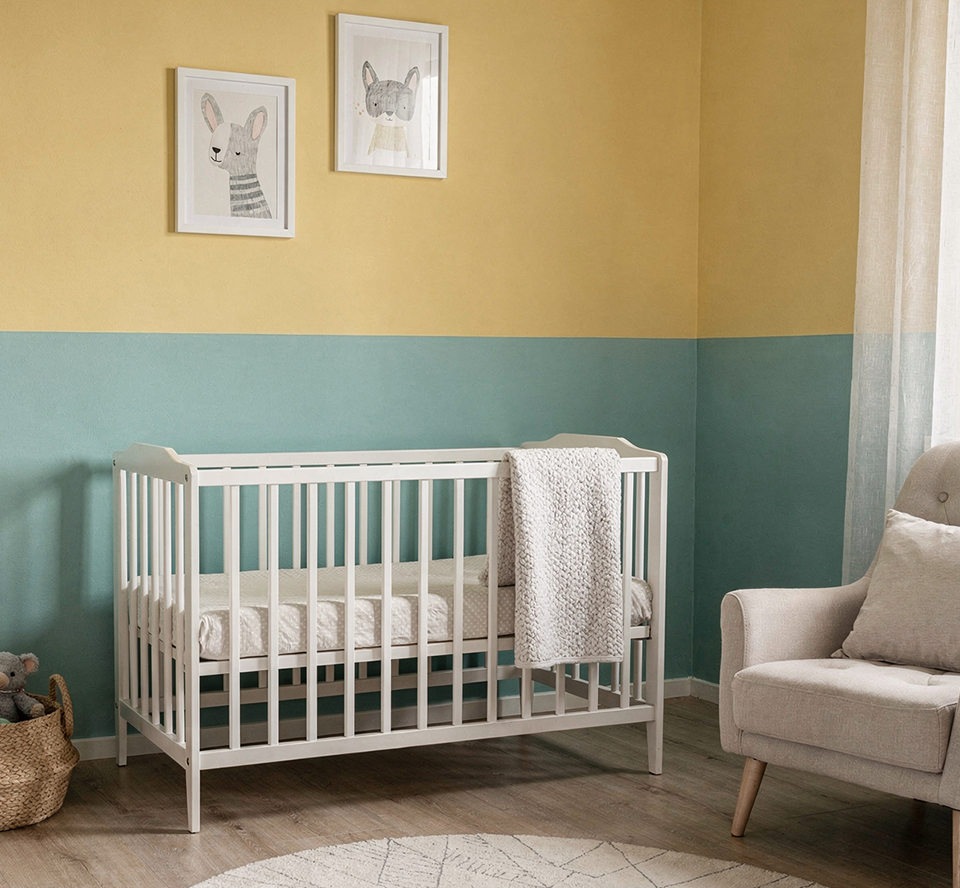
Children’s bedrooms and playrooms often need more frequent cleaning. Entrances, hallways and staircases experience regular contact while kitchen and dining walls may be exposed to food splashes and marks.
These are areas where a washable antibacterial paint can be useful.
Washability deserves attention because even a protective coating needs to remain in good condition through everyday maintenance. BioShield’s wet scrub resistance helps the finish withstand cleaning, making it suitable for frequently used interior spaces.
For quieter rooms, the choice may depend on whether you want the same hygienic coating throughout the home. There is no need to treat every wall as though it experiences the same level of contact.
BioShield is also intended for environments such as schools and healthcare facilities where surface hygiene is an important consideration. Its use in these settings reflects the value of selecting coatings with properties suited to the demands of the space.
What about humidity, fungi and mould?
For homes in the UAE, fungal resistance is another consideration.
An anti-fungal wall coating is designed to resist fungal growth on the painted surface. However, there is an important difference between protecting a coating against fungi and dealing with an existing moisture problem.
If mould keeps appearing in the same corner or along an external wall, the cause may be condensation, water ingress or a plumbing leak.
Painting over the affected area without resolving the moisture problem is unlikely to provide a lasting solution.
The wall should first be inspected and the source of dampness addressed. Any existing mould must be treated appropriately and the surface allowed to dry before repainting.
Once the wall is properly prepared, a fungus-resistant coating such as BioShield can provide additional protection for the finished surface.
For areas exposed to persistent moisture, it is also important to check that the selected paint system is suitable for the specific conditions.
How long does antibacterial protection last?
BioShield is described as providing long-lasting antibacterial and anti-fungal resistance, although this should not be interpreted as a guarantee that protection lasts indefinitely.
The condition of the paint film matters. Physical damage, heavy wear and deterioration can affect the integrity of the coating.
Regular cleaning does not automatically remove the antibacterial properties of an intact paint film, but cleaning methods should still follow the manufacturer’s care recommendations.
For homeowners, it is worth checking both the intended durability of the coating and how it should be maintained. A paint designed to support hygiene needs to remain in suitable condition to perform as intended.
Choosing the right hygienic paint for your home
When comparing hygienic interior paints, check what the coating is designed to resist, how easily it can be maintained and whether it is suitable for the surfaces you intend to paint.
BioShield brings together antibacterial and anti-fungal resistance, excellent wet scrub performance and a smooth matt finish. These properties make it a practical choice for interior spaces where cleanliness and regular maintenance are priorities.
For UAE homes, selecting the right coating also means paying attention to wall conditions and moisture problems before painting.
A hygienic home still depends on good cleaning habits and proper maintenance. Choosing an appropriate wall finish helps support those efforts by adding protection to one of the home’s largest surfaces.
Explore Oasis BioShield and discover a hygienic interior paint suited to your home.